
The AnatomyShow BLOG
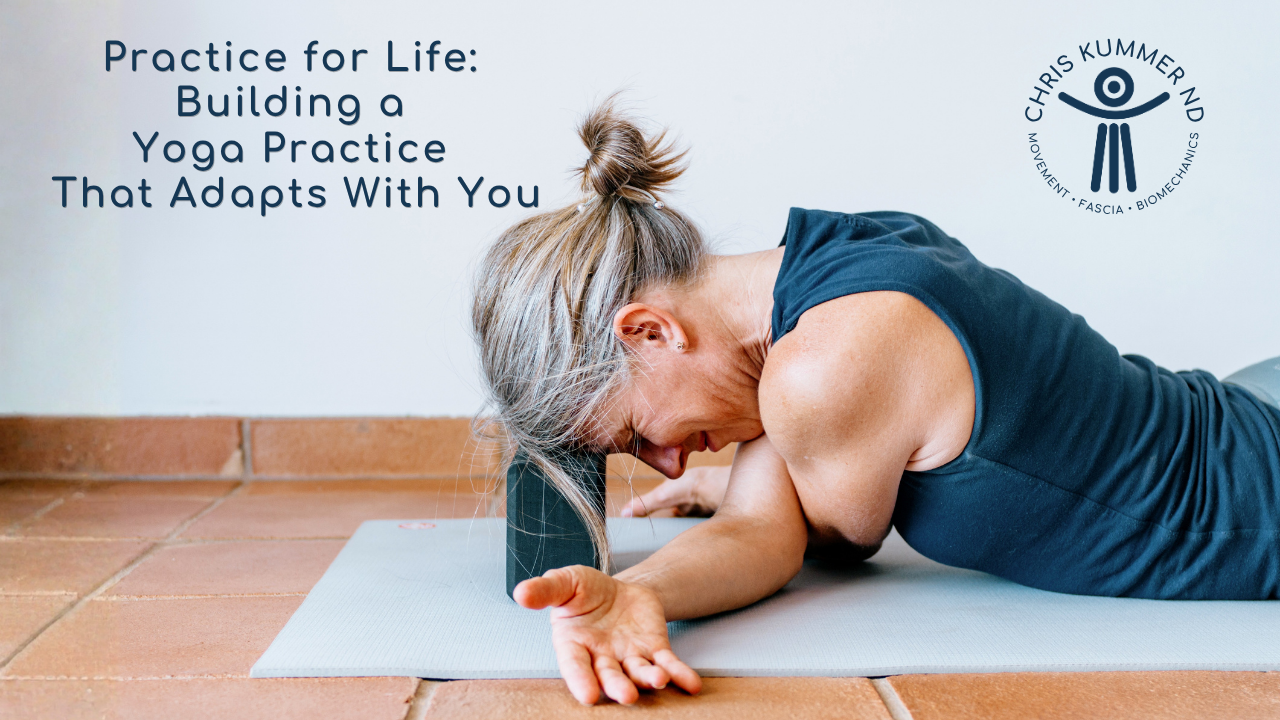
What do you want your body to be capable of now, or in ten, twenty or thirty years?
Perhaps you want to travel, hike through unfamiliar landscapes, learn new physical skills, play with your children or grandchildren, or continue exploring movement simply because you enjoy it. Maybe you want the con...
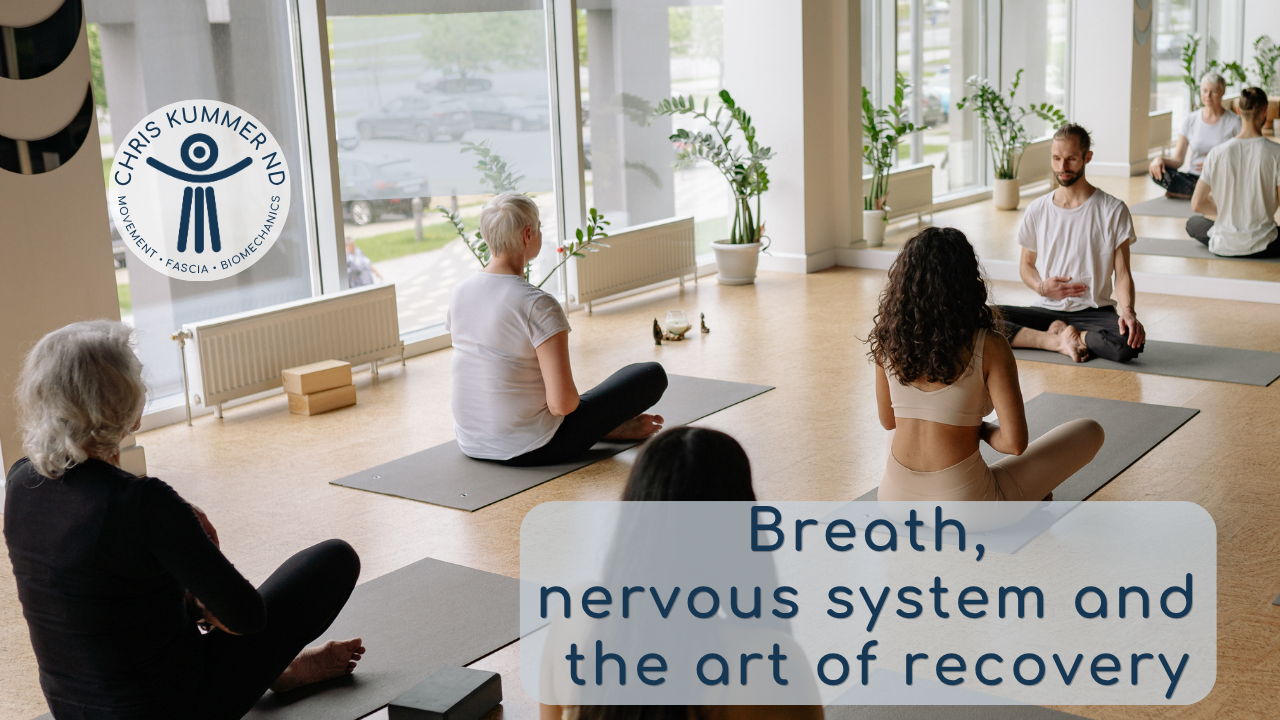
Breath, nervous system and the art of recovery
In the first and the second article in this series, we explored why movement matters for longevity and how we can maintain our physical options as the body changes. Strength, mobility, balance and adaptability all contribute to our ability to keep part...
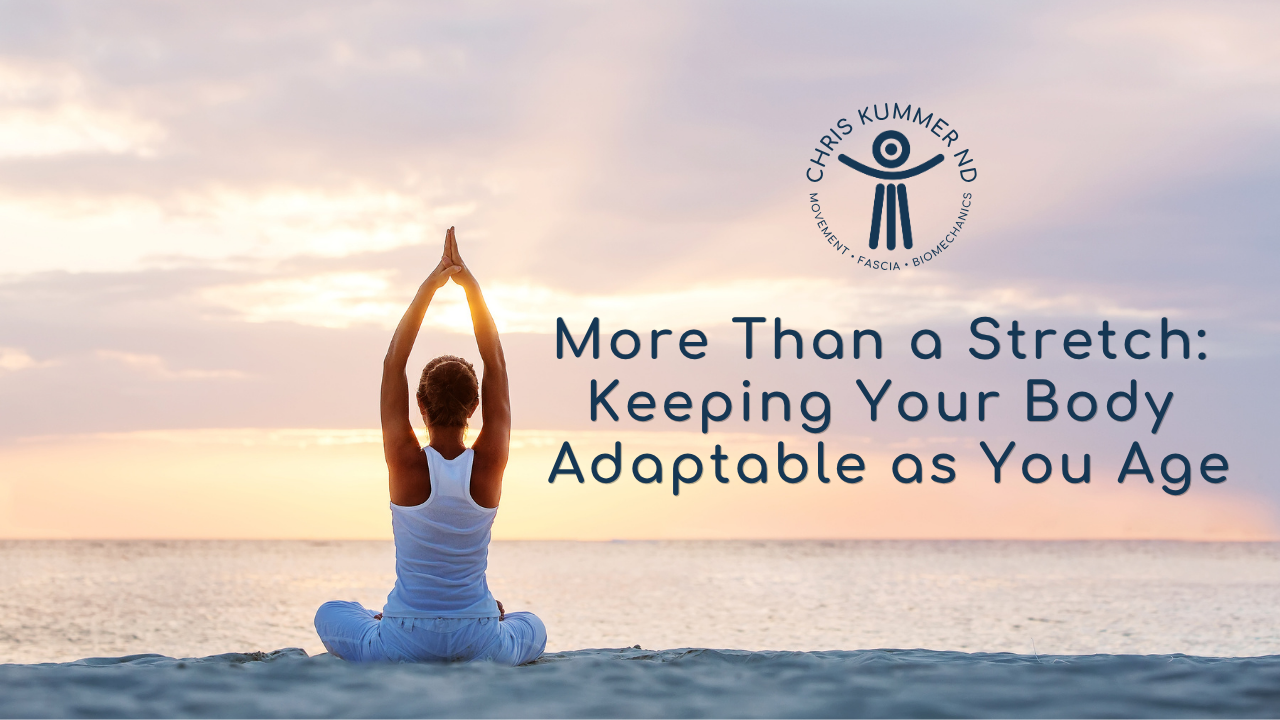
In the first article of this series, we explored how movement helps us maintain physical capacity throughout life. We looked at why strength, mobility and active muscular engagement matter, and why the body responds not only to what we do, but also to what we stop doing.
Let's take that a step furt...

We often talk about longevity as though it means making life last longer.
But perhaps there is another question worth asking:
What do you want your body to be able to do while you are living that longer life?
Walking easily. Getting up from the floor. Carrying things. Climbing stairs. Balancing o...
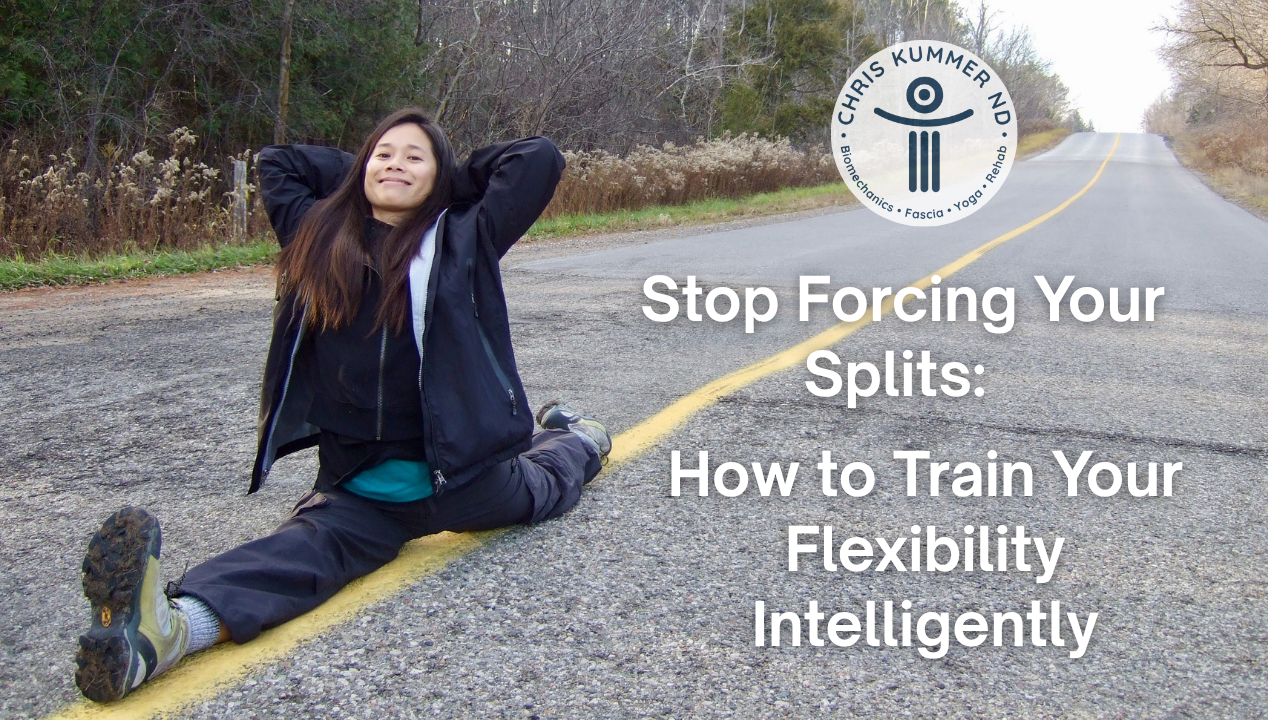
There is a moment in almost every flexibility practice when you reach the edge.
The muscles begin to shake.
The stretch becomes intense.
You can see the floor getting closer.
And then comes the familiar decision:
Do I stay here—or push a little further?
If your goal is to achieve the splits, t...
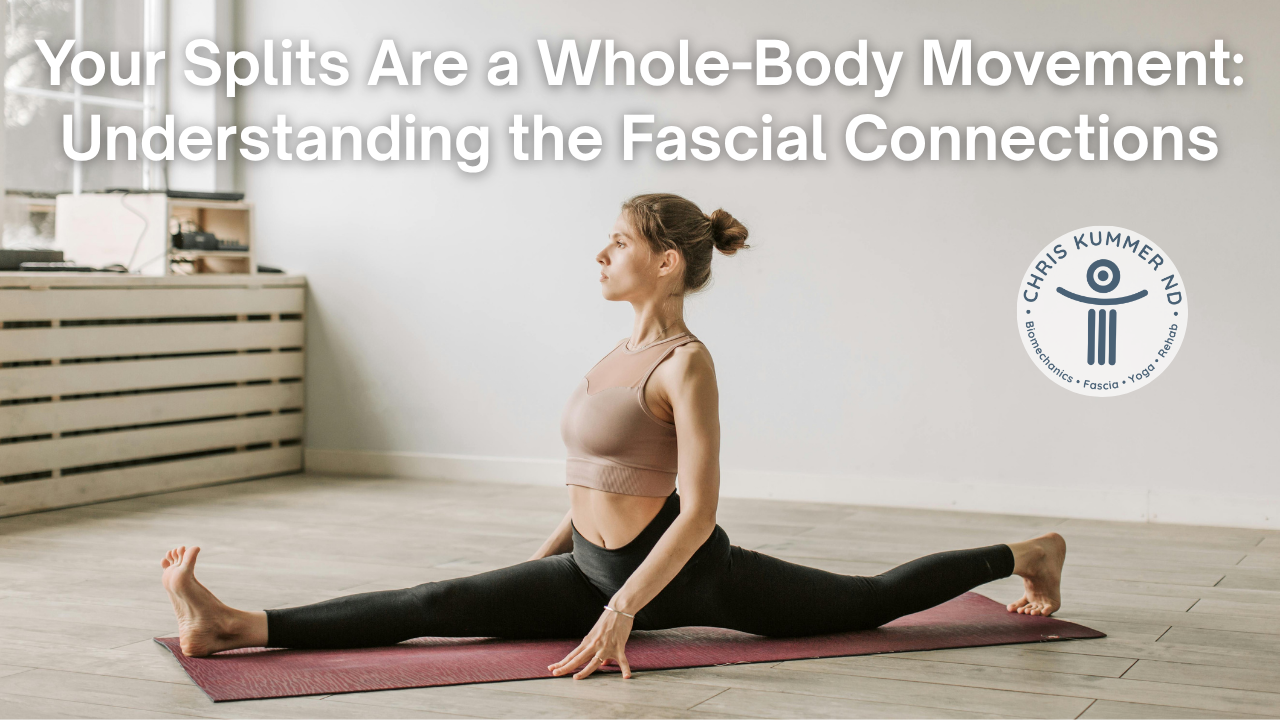
If you practise the splits, you probably think you know where you are stretching.
The hamstrings.
The hip flexors.
The adductors.
Perhaps the calf.
But the body doesn't experience movement as a collection of isolated muscles.
When you move into a split, your feet, knees, hips, pelvis, spine an...
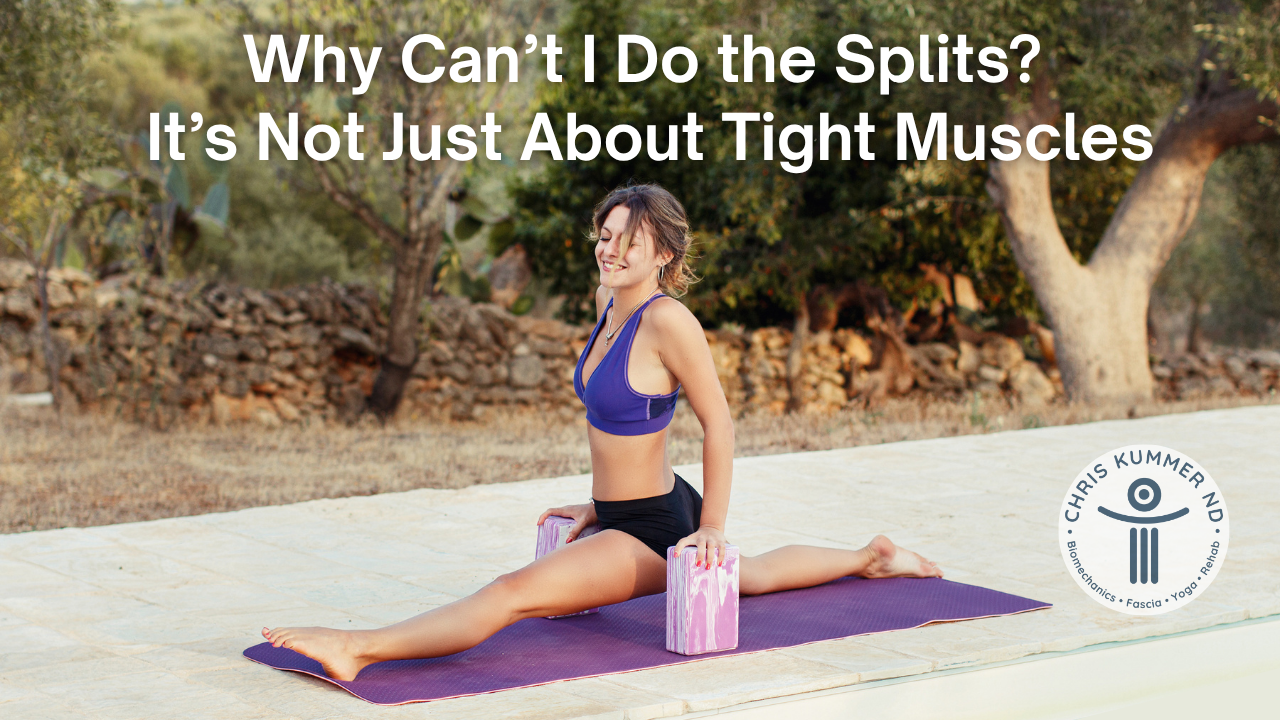
The splits are often presented as a simple flexibility challenge.
...
Keep stretching. Relax the muscles. Breathe. Go a little deeper each day.
But if you have ever worked seriously towards the splits, you will know that the experience is rarely that simple. One person seems to glide effortlessly toward
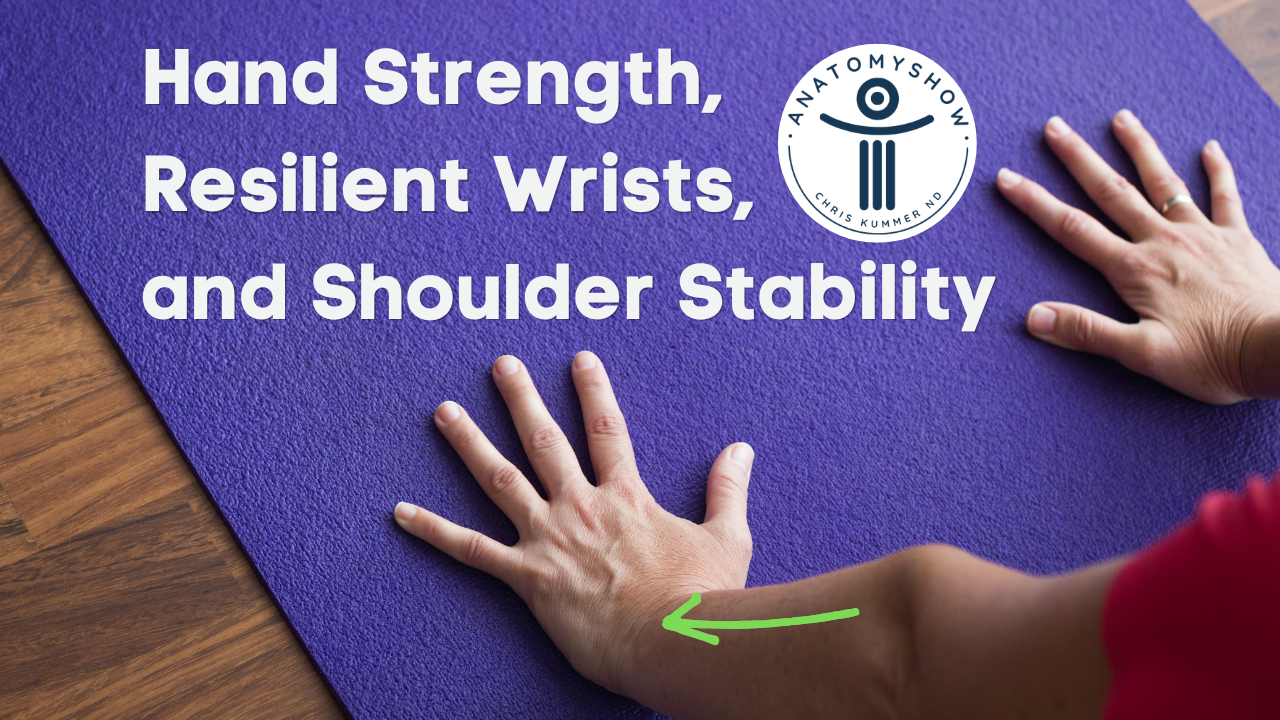
A fascia-informed approach to pain-free weight bearing on the hands in yoga
Wrist discomfort is one of the most common reasons people modify—or avoid—weight-bearing poses on the arms in yoga. Plank, Downward Dog, Chaturanga, arm balances: they all ask a lot from relatively small joints. Yet the wrist...
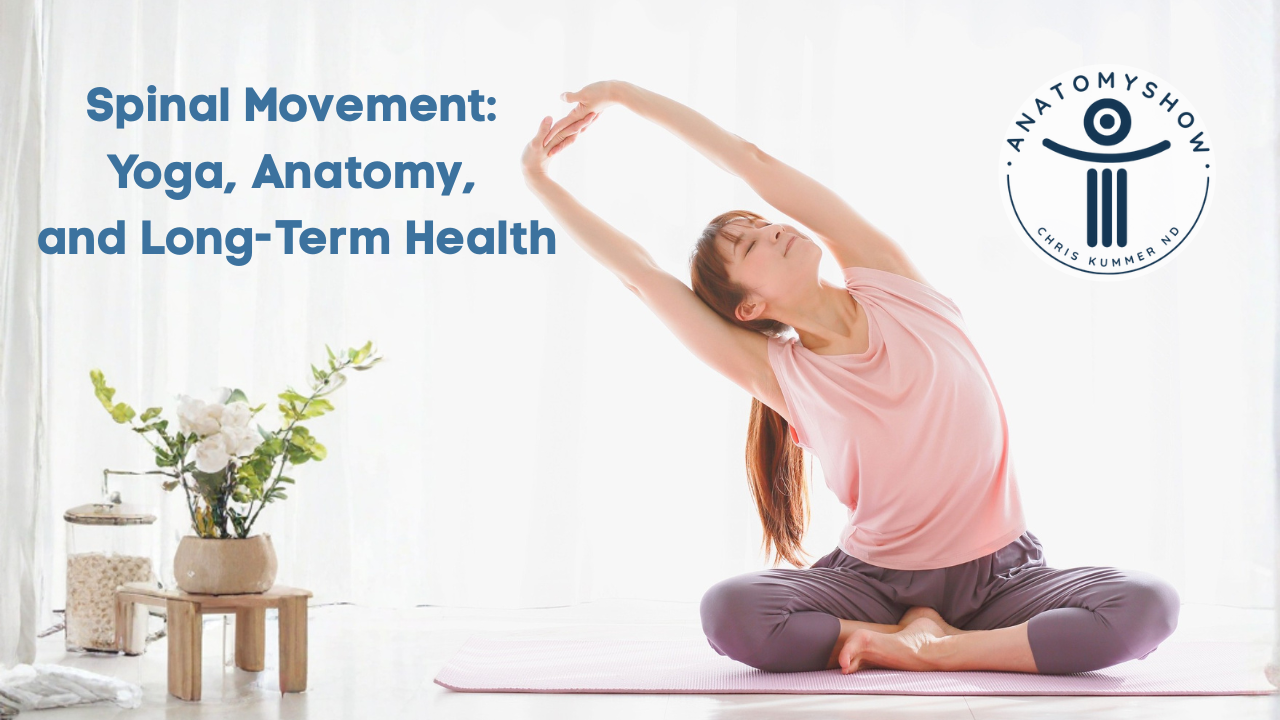
The spine is more than a structural column that holds us upright. It is a living, responsive system that reflects how we move, how we breathe, how we manage stress, and how we live. In yoga, we often say that you are only as young as your spine, yet many modern lifestyles do very little to support s...

Right now, huge sale events are happening across many countries. Extra discounts. Flash deals. Promises of savings. The underlying message is simple: buy more stuff.
Meanwhile, the world is experiencing unprecedented environmental shifts. Today, where I am, the temperature sits nine degrees above ave...

If you’ve ever been told in a yoga class to “lock your elbows,” “straighten your arms,” or “push the floor away,” you might have wondered: How am I supposed to lock my elbows and still engage my muscles? And even more confusing: Should I be locking them at all?
This is a surprisingly common question—...

Walk into any yoga class, and you’ll likely hear familiar cues: “Engage your core,” “Draw the shoulder blades down the back,” “Relax your jaw.” These instructions are intended to keep practitioners safe and aligned—but they are also, by nature, general. They’re designed to fit a room full of differe...
